How to Build Your Own Bag Brand with Custom Bags Suppliers
In today’s competitive fashion and lifestyle industry, custom bags are more than just accessories — they’re powerful tools of self-expression and branding. Whether you’re an entrepreneur wanting to start your own line of custom tote bags or a designer eager to create unique custom handbags, working with the right custom bags suppliers can turn your ideas into a successful business.
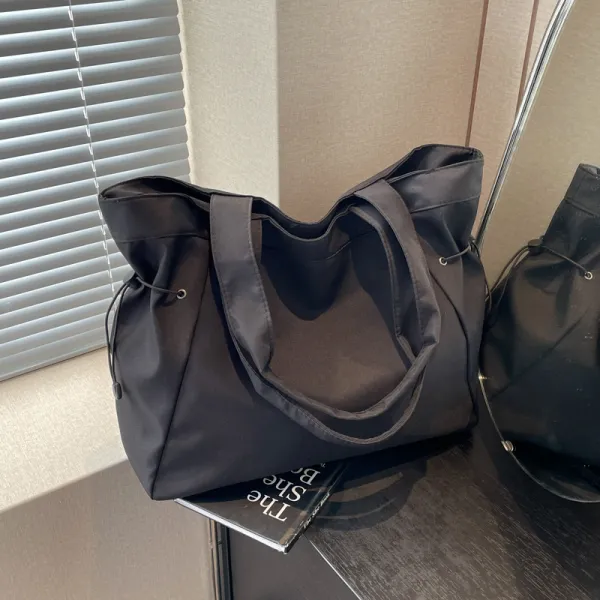
Creating your own bag brand may sound challenging, but with the right strategy, planning, and supplier partnerships, it becomes a rewarding and profitable journey. In this guide, we’ll explore every step — from idea generation and design to manufacturing, marketing, and brand growth — to help you build your bag brand with confidence.
1. Understanding the Custom Bags Market
Before diving into production, it’s essential to understand why custom bags are in such high demand. Modern consumers want individuality, sustainability, and functionality — all qualities that personalized bags offer.
Custom tote bags are especially popular among eco-conscious shoppers, while custom handbags appeal to fashion enthusiasts looking for something unique. custom backpacks are in high demand among students and travelers, and custom drawstring bags remain a favorite for casual, promotional, or sports uses.
By identifying these niche demands, you can decide what direction your brand should take — luxury fashion, eco-friendly everyday bags, or sporty utility designs.
2. Defining Your Brand Identity
A strong brand identity sets you apart from competitors. Start by defining your mission, target audience, and unique selling proposition (USP).
Ask yourself:
-
Who are my ideal customers — students, professionals, travelers, or fashion lovers?
-
What emotions should my brand evoke — luxury, minimalism, sustainability, or creativity?
-
What makes my custom bags different from others?
Design your logo, color palette, and tone of voice around this identity. For example, if your focus is custom tote bags for eco-friendly consumers, your branding should emphasize natural materials, sustainable packaging, and earthy tones.
3. Choosing the Right Custom Bag Supplier
Your supplier plays a key role in determining your product quality and brand reputation. A reliable custom bags supplier should offer flexibility in design, a range of materials, and excellent craftsmanship.
When selecting one, consider:
-
Product variety: Can they produce custom handbags, custom backpacks, custom duffle bags, and custom wallets?
-
Material quality: Do they use premium leather, recycled fabrics, or vegan alternatives?
-
Customization options: Can you print, embroider, or emboss your logo?
-
Production capacity: Can they handle both small and large orders?
Look for suppliers with transparent communication and positive client reviews. It’s best to request samples before placing bulk orders.
4. Designing Your Collection
Design is where your creativity shines. Your product line should include a mix of styles to cater to different preferences. Here are a few ideas:
-
Custom Tote Bags: Perfect for everyday use and branding. Ideal for promotions or retail.
-
Custom Handbags: Targeted at style-conscious customers; can include luxury materials and detailed stitching.
-
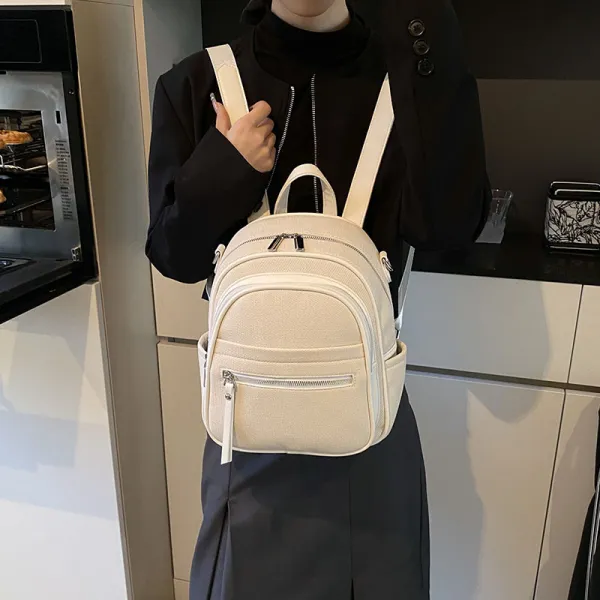
Custom Backpacks: Focused on practicality, with compartments for laptops and travel essentials.
-
Custom Drawstring Bags: Lightweight and affordable; great for giveaways or casual outings.
-
Custom Shopping Bags: Reusable and eco-friendly, appealing to sustainable shoppers.
-
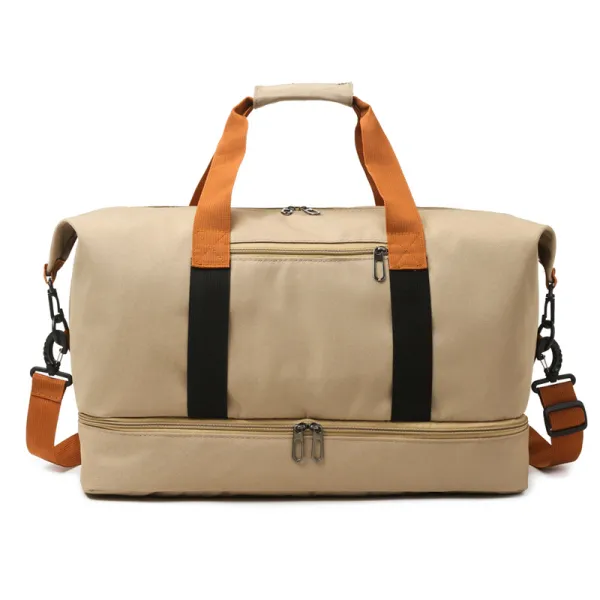
Custom Duffle Bags: Designed for gym-goers or travelers seeking functionality.
-
Custom Crossbody Bags: Compact, stylish, and versatile for urban lifestyles.
-
Custom Wallets: Small accessories that complement your main collection and increase brand loyalty.
Use mood boards, sketches, and prototypes to visualize your collection before production. Incorporate unique fabrics, textures, and hardware to make your brand stand out.
5. Material Selection and Quality Control
The materials you choose directly affect your brand’s perception. For custom bags, consider:
-
Canvas: Great for custom tote bags and custom shopping bags — durable and eco-friendly.
-
Leather (genuine or vegan): Ideal for custom handbags and custom wallets, giving a luxurious appeal.
-
Nylon or polyester: Lightweight and durable for custom backpacks and custom duffle bags.
-
Cotton or linen: Perfect for custom drawstring bags, offering a soft, casual feel.
Always inspect your samples carefully. Check stitching, zippers, handles, and linings to ensure everything meets your quality standards. Remember — high quality builds customer trust.
6. Building an Online Presence
Your online presence is where customers will discover your brand. Create a professional website showcasing your custom bags collection with high-quality images and clear descriptions.
Include a story section that highlights your design inspiration, sustainability goals, and production ethics.
Use social media platforms like Instagram, Pinterest, and TikTok to share lifestyle photos and behind-the-scenes content. Hashtags like #CustomBags, #CustomHandbags, #CustomToteBags, and #BagDesign can boost visibility.
Collaborate with influencers who align with your brand identity to reach a wider audience.
7. Marketing Your Custom Bag Brand
Successful marketing combines storytelling with strategy. Here are effective approaches:
-
Content Marketing: Write blogs about bag care, trends, and sustainability to attract organic traffic.
-
Email Marketing: Send updates about new launches or limited editions of your custom crossbody bags or custom wallets.
-
Influencer Partnerships: Partner with micro-influencers who showcase your bags in real life.
-
Pinterest Promotion: Since Pinterest users love fashion and design, post aesthetic pins featuring custom tote bags or custom handbags in lifestyle settings.
-
Paid Ads: Use targeted ads on Instagram or Google Shopping to promote new designs and offers.
Consistency in visual style and messaging is key to brand recognition.
8. Pricing and Profit Strategy
Determine pricing based on your target market and production costs. Luxury custom handbags and custom duffle bags can have higher markups, while custom drawstring bags and custom shopping bags can attract budget-conscious buyers.
Consider offering bundles or limited editions to increase average order value. Transparency in pricing and materials builds customer trust and loyalty.
9. Logistics, Packaging, and Delivery
A seamless logistics process ensures customer satisfaction. Choose a shipping partner that offers reliable global delivery options.
For packaging, invest in eco-friendly and branded solutions. A simple cotton dust bag or a customized box with your logo can elevate the unboxing experience — turning first-time buyers into repeat customers.
10. Scaling Your Brand
Once your brand gains traction, consider expanding your product range or entering new markets.
You might launch a premium line of custom leather handbags, or introduce travel-friendly custom duffle bags and custom backpacks.
Attend trade fairs, collaborate with local boutiques, or open pop-up shops to increase visibility.
Also, explore wholesale opportunities — selling your custom bags in bulk to corporate clients or retailers.
11. Sustainable and Ethical Practices
Modern consumers value ethics and transparency. Using sustainable materials and ethical manufacturing practices gives your brand a competitive edge.
Promote your custom shopping bags and custom tote bags as eco-friendly alternatives to plastic. Highlight your commitment to fair wages, safe working conditions, and eco-conscious packaging.
Such values not only attract conscious buyers but also build long-term brand credibility.
12. Building Customer Loyalty
Loyal customers are the backbone of a successful brand. Offer personalized experiences — such as monogram options for custom wallets or color customization for custom crossbody bags.
Encourage reviews and share user-generated content on social media. Create loyalty programs or limited-edition collections to reward repeat buyers.
By connecting emotionally with customers, you turn them into brand advocates who spread your story organically.
Starting your own bag brand with custom bags suppliers is a journey of creativity, strategy, and passion. From custom tote bags to custom handbags, from custom duffle bags to custom wallets, each product you design tells your brand’s unique story.
By focusing on quality, authenticity, and customer connection, your brand can grow from a simple idea into a globally recognized name in the world of fashion and accessories.
With the right suppliers, marketing, and vision, you’re not just selling bags — you’re creating lifestyle pieces that represent individuality, sustainability, and style.


Comments
Post a Comment