From Factory to Brand: Inside the World of Wholesale and Custom Swimwear
The global swimwear industry has evolved far beyond seasonal beachwear. Today, it represents a fast-moving, trend-driven, and highly competitive market where factories, wholesalers, and emerging brands are more closely connected than ever. From raw fabric selection to finished products hanging in boutiques or shipping worldwide through e-commerce, the journey of swimwear reveals how strategic sourcing, branding, and customization define success. Understanding this journey is essential for anyone looking to enter or expand within the wholesale and custom swimwear space.
At the foundation of the industry lies the factory. Swimwear manufacturing requires a unique combination of technical expertise and fashion sensibility. Unlike regular apparel, swimwear must balance comfort, stretch, durability, and aesthetics. Most factories specialize in synthetic fabrics such as nylon, polyester, and spandex blends, chosen for their elasticity, chlorine resistance, and ability to retain shape. Advanced factories also invest in digital pattern making, automated cutting machines, and quality-testing processes to meet international standards. These factories serve as the backbone for wholesale swimwear production, supplying consistent volumes to buyers around the world.
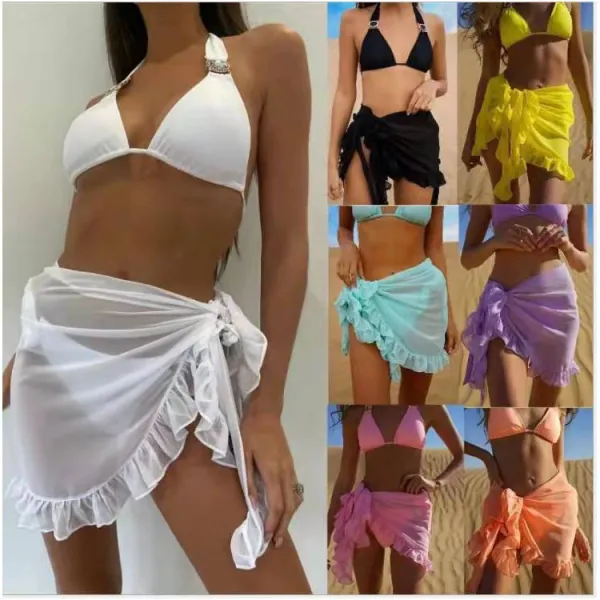
Wholesale swimwear production begins with understanding market demand. Factories typically produce a wide range of styles to cater to different demographics and retail needs. For women, this includes one-piece swimsuits, bikinis, tankinis, and high-waisted designs. Wholesale bikinis remain one of the most popular categories due to their versatility and constant reinvention through prints, cuts, and details. Trends such as minimal silhouettes, retro-inspired shapes, and bold color blocking often originate from fashion weeks and social media before being adapted into wholesale collections.
Men’s swimwear follows a different but equally important trajectory. Wholesale men swimwear focuses heavily on function, comfort, and fit, while still incorporating modern style elements. Board shorts, swim trunks, and fitted swim briefs dominate this category. Fabrics must dry quickly, resist fading, and remain comfortable during extended wear. Many factories now integrate features such as mesh linings, adjustable waistbands, and eco-friendly materials to meet evolving consumer expectations. This segment is particularly strong in resort destinations and online marketplaces targeting lifestyle branding.
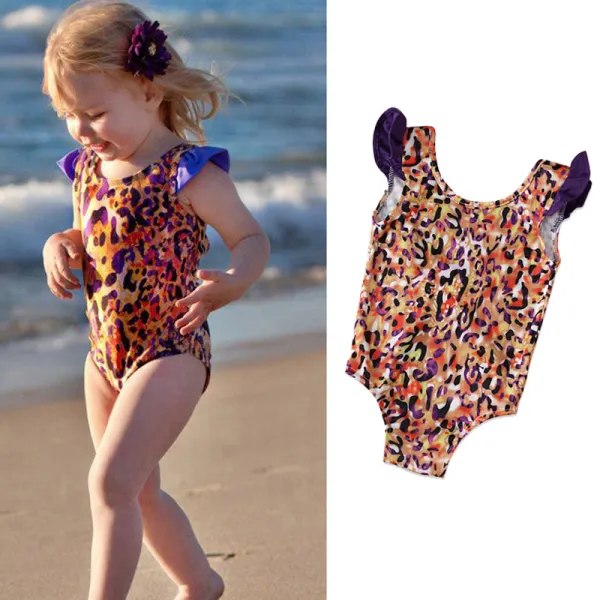
Children’s swimwear is another critical segment that factories and wholesalers carefully develop. Wholesale kids swimwear emphasizes safety, comfort, and durability above all else. Soft seams, secure stitching, and UV-protective fabrics are essential features. Bright colors, playful prints, and character-inspired designs appeal to both children and parents. For retailers, kids’ swimwear offers repeat purchasing opportunities as children outgrow sizes quickly, making it a stable category within wholesale assortments.
Once factories establish their core production capabilities, the next step is working with wholesalers and brand owners. Wholesalers act as a bridge between manufacturing and retail, offering curated selections, flexible order quantities, and logistical support. For new brands or boutique owners, sourcing wholesale swimwear reduces risk by allowing them to test styles and markets without committing to full-scale production runs. This model is especially attractive for seasonal businesses or online sellers responding to fast-changing trends.
However, as competition intensifies, many brands seek differentiation beyond standard wholesale offerings. This is where custom swimsuits become a powerful tool. Customization allows brands to create unique designs, tailor fits to specific markets, and establish a distinct identity. Factories offering custom services typically provide support across multiple stages, including fabric selection, pattern development, color matching, logo placement, and private labeling. For emerging brands, custom swimsuits transform a simple product into a storytelling vehicle that reflects brand values and aesthetics.
The process of creating custom swimsuits usually begins with concept development. Brands may draw inspiration from target audiences, lifestyle themes, or geographic influences. Mood boards, sketches, and reference samples help communicate the vision to the factory. Experienced manufacturers then translate these ideas into technical patterns, ensuring the designs are feasible for mass production. Sampling is a critical stage, allowing brands to assess fit, fabric behavior, and overall quality before approving bulk orders.
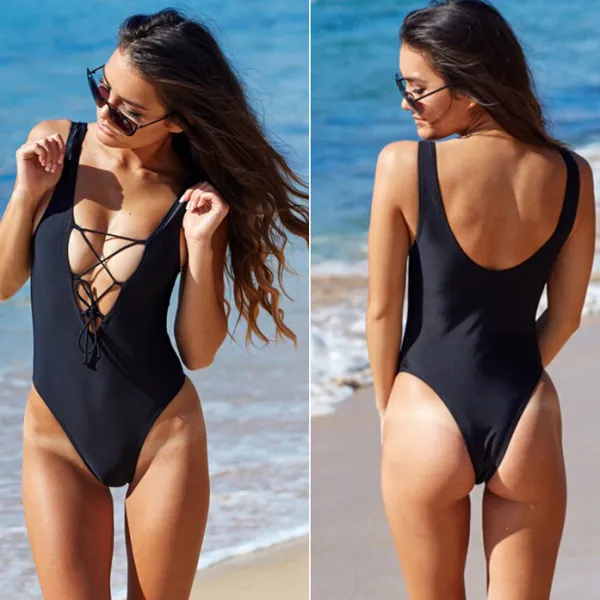
Customization also extends to functionality. Performance swimwear brands may request compression fabrics, reinforced seams, or specialized linings. Fashion-forward labels might focus on decorative elements such as cutouts, hardware accents, or custom prints. Even packaging plays a role, with branded tags, eco-friendly bags, and coordinated color schemes enhancing perceived value. Through customization, brands move beyond price competition and build emotional connections with consumers.
Sustainability has become an increasingly influential factor from factory to brand. Many factories now offer recycled fabrics made from post-consumer plastic bottles or discarded fishing nets. This shift affects wholesale swimwear and custom production alike. Brands leveraging sustainability can align with environmentally conscious consumers while meeting regulatory expectations in international markets. Transparent supply chains, ethical labor practices, and reduced water usage are no longer optional extras but strategic advantages.
Quality control remains a defining element throughout the swimwear journey. Factories conduct stretch tests, colorfastness checks, and wash trials to ensure products perform as intended. For wholesalers, maintaining consistent quality across large volumes builds trust with buyers. For brands, especially those offering custom swimsuits, quality directly impacts reputation and customer retention. A well-made swimsuit that maintains shape and color after repeated use becomes a silent ambassador for the brand.
Logistics and distribution complete the journey from factory to brand. Efficient packaging, accurate labeling, and compliance with import regulations are essential for smooth global operations. Many wholesalers provide end-to-end solutions, including shipping consolidation and customs documentation, which simplifies sourcing for small and medium-sized businesses. As e-commerce continues to dominate retail, speed and reliability in delivery have become just as important as product design.
Branding ultimately determines how swimwear is perceived once it reaches consumers. While factories and wholesalers focus on production efficiency, brands focus on storytelling, marketing, and community building. Social media campaigns, influencer partnerships, and lifestyle imagery turn wholesale products into aspirational items. Even when sourcing wholesale bikinis or wholesale men swimwear, strong branding can elevate standard designs into premium offerings.
The swimwear market continues to expand into niche segments, including adaptive swimwear, modest swimwear, and gender-neutral designs. These niches often rely heavily on custom swimsuits to meet specific functional and cultural needs. Factories that adapt quickly and brands that listen closely to their audiences gain a competitive edge. Wholesale kids swimwear has also seen innovation, with rash guards and coordinated sets responding to parental concerns about sun protection.
Looking ahead, technology will further transform the industry. Digital sampling, 3D modeling, and AI-driven trend forecasting are reducing development time and costs. These tools allow brands to experiment with designs virtually before committing to production. For factories, this means faster turnaround times and closer collaboration with clients. For wholesalers, it results in more responsive collections aligned with real-time demand.
The journey from factory to brand in the swimwear industry is a complex but rewarding process. Wholesale swimwear provides accessibility and scalability, while customization unlocks differentiation and brand identity. Whether working with wholesale bikinis, wholesale men swimwear, wholesale kids swimwear, or developing custom swimsuits from scratch, success depends on strong partnerships, clear communication, and a deep understanding of both production and consumer needs. As trends, technology, and sustainability continue to reshape the market, those who master the full lifecycle of swimwear will be best positioned to thrive in this dynamic global industry.


Comments
Post a Comment