Wholesale Shoe Inventory Management: Best Practices for E-commerce
Effective inventory management is the backbone of any successful wholesale shoe business, especially in the e-commerce era. With the rise of online retail and increasing customer expectations, maintaining optimal inventory levels has become more challenging yet crucial than ever. For e-commerce sellers dealing with wholesale shoes, balancing inventory costs with customer demand requires strategic planning and efficient systems.

This guide explores best practices for wholesale shoe inventory management specifically tailored for e-commerce businesses. From demand forecasting to SKU optimization, we'll cover strategies that can help you reduce costs, improve customer satisfaction, and boost overall business performance. For a comprehensive selection of wholesale shoes to manage in your inventory, explore the extensive collection available at wholesale shoes.
Understanding the Unique Challenges of Wholesale Shoe Inventory
Wholesale shoe inventory management presents unique challenges compared to other product categories:
Seasonal demand fluctuations: Shoe demand varies significantly by season, weather, and fashion trends
Size and style variations: Multiple sizes, colors, and styles for each shoe model
Shelf life concerns: Certain materials may degrade over time
Return management: Higher return rates for footwear compared to other products
Storage requirements: Shoes require proper storage conditions to maintain quality
These challenges make effective inventory management particularly critical for wholesale shoe businesses operating in the e-commerce space.
Demand Forecasting: The Foundation of Inventory Management
Accurate demand forecasting is essential for maintaining optimal inventory levels. By predicting future demand, you can avoid overstocking or understocking situations.
Key Forecasting Methods
Historical sales data analysis: Examine past sales patterns to identify trends and seasonality
Market trend analysis: Monitor fashion trends, consumer preferences, and industry reports
Seasonal forecasting: Adjust inventory levels based on seasonal demand patterns
Promotional impact analysis: Factor in the effects of marketing campaigns and promotions
Economic indicators: Consider broader economic trends that may impact consumer spending
Tools for Demand Forecasting
Inventory management software: Solutions like TradeGecko, Zoho Inventory, or Fishbowl
Spreadsheet models: Custom Excel or Google Sheets templates for smaller operations
AI-powered forecasting tools: Advanced solutions that use machine learning to predict demand
POS system data: Integration with point-of-sale systems for real-time sales data
For popular categories like wholesale sneakers, demand forecasting becomes even more critical due to rapidly changing trends and high consumer demand.
SKU Optimization: Streamlining Your Product Offerings
Managing a large number of SKUs (Stock Keeping Units) can be overwhelming and costly. SKU optimization involves analyzing and rationalizing your product offerings to focus on the most profitable items.
SKU Analysis Techniques
ABC analysis: Categorize products based on their contribution to revenue
A items: High-value, fast-moving products (20% of SKUs, 80% of revenue)
B items: Moderate value and movement
C items: Low-value, slow-moving products
Sales velocity analysis: Identify products with the highest turnover rates
Profitability analysis: Calculate the profit margin for each SKU
Carrying cost analysis: Evaluate the cost of holding each SKU in inventory
SKU Rationalization Strategies
Eliminate low-performing SKUs: Discontinue products with low sales and profit margins
Consolidate similar products: Reduce redundant items with minor differences
Focus on core products: Prioritize inventory for your best-selling items
Implement minimum order quantities: For low-demand items to reduce carrying costs
Inventory Turnover: Maximizing Efficiency
Inventory turnover is a key metric that measures how quickly you sell through your inventory. A higher turnover rate indicates efficient inventory management.
Calculating Inventory Turnover
Inventory Turnover = Cost of Goods Sold (COGS) / Average InventoryStrategies to Improve Inventory Turnover
Optimize order quantities: Use economic order quantity (EOQ) calculations
Implement just-in-time (JIT) inventory: Reduce excess stock by ordering closer to when products are needed
Offer promotions for slow-moving items: Create targeted campaigns to move stagnant inventory
Improve demand forecasting: More accurate predictions lead to better inventory decisions
Establish minimum and maximum stock levels: Set clear thresholds for reordering
Multi-Channel Inventory Management
E-commerce businesses often sell through multiple channels, including their own website, marketplaces like Amazon or eBay, and social media platforms. Managing inventory across these channels requires a centralized approach.
Multi-Channel Inventory Best Practices
Centralized inventory management: Use a system that synchronizes inventory across all channels
Real-time inventory updates: Ensure stock levels are updated immediately after each sale
Channel-specific inventory allocation: Set aside inventory for different sales channels based on demand
Unified reporting: Generate reports that provide a holistic view of inventory across all channels
For specialized categories like wholesale women high heel products, multi-channel inventory management helps ensure you can meet demand across different sales platforms.

Supplier Relationship Management
Strong relationships with suppliers are essential for effective inventory management. Reliable suppliers can help you maintain optimal inventory levels and respond quickly to changes in demand.
Key Supplier Management Strategies
Develop strategic partnerships: Work closely with key suppliers to align goals
Negotiate favorable terms: Secure flexible ordering options and lead times
Establish clear communication channels: Maintain regular contact with suppliers
Diversify your supplier base: Reduce dependency on a single supplier
Share demand forecasts: Provide suppliers with your demand predictions to help them plan production
Technology Solutions for Inventory Management
Leveraging technology can significantly improve your inventory management processes.
Inventory Management Software Features to Look For
Real-time inventory tracking: Monitor stock levels across all locations
Demand forecasting capabilities: Predict future demand based on historical data
Multi-channel integration: Sync inventory across all sales channels
Automated reordering: Set up automatic reorder points
Reporting and analytics: Generate detailed inventory reports
Barcode scanning: Streamline receiving and picking processes
Mobile access: Manage inventory on the go
Recommended Inventory Management Systems
For small businesses: Zoho Inventory, Square for Retail
For medium-sized businesses: TradeGecko, Cin7
For enterprise-level businesses: NetSuite, Fishbowl
Seasonal Inventory Planning
Shoe demand is highly seasonal, making seasonal inventory planning critical for wholesale shoe businesses.
Seasonal Planning Strategies
Pre-season forecasting: Predict demand for upcoming seasons
Phased inventory build-up: Gradually increase inventory before peak seasons
Post-season clearance: Implement strategies to sell excess inventory after peak seasons
Year-round inventory for basics: Maintain consistent stock levels for evergreen styles
Trend analysis: Stay ahead of fashion trends to adjust inventory accordingly
For categories like wholesale sandals, seasonal planning is especially important to capitalize on summer demand while avoiding excess inventory during winter months.
Returns Management
Effective returns management is an often-overlooked aspect of inventory management, especially for shoe businesses where return rates can be high.
Returns Management Best Practices
Clear return policy: Establish and communicate a transparent return policy
Efficient return processing: Streamline the returns process to minimize processing time
Return-to-stock procedures: Develop clear protocols for inspecting and restocking returned items
Returns analysis: Track return reasons to identify product or sizing issues
Refurbishment process: For slightly damaged items that can be repaired
Case Study: Successful Inventory Management in Wholesale Shoe E-commerce
To illustrate effective inventory management practices, let's examine a case study of a successful online shoe retailer:
Background
A mid-sized e-commerce retailer specializing in wholesale shoes was struggling with inventory management issues, including overstocking of slow-moving items and stockouts of popular products.
Implemented Strategies
Adopted inventory management software: Implemented a cloud-based inventory system with demand forecasting capabilities
Conducted SKU analysis: Identified and eliminated low-performing SKUs, reducing their product range by 30%
Established supplier partnerships: Developed strategic relationships with key suppliers for faster lead times
Implemented seasonal planning: Created a 12-month inventory plan based on historical sales data
Optimized multi-channel inventory: Synchronized inventory across their website, Amazon, and eBay
Results
Reduced inventory carrying costs by 25%
Decreased stockouts by 40%
Improved inventory turnover from 4 to 6 times per year
Increased overall profitability by 15%
Enhanced customer satisfaction through better product availability
Effective inventory management is crucial for the success of wholesale shoe businesses in the e-commerce era. By implementing the best practices outlined in this guide—from demand forecasting and SKU optimization to multi-channel management and returns processing—you can reduce costs, improve customer satisfaction, and boost your bottom line.
Remember that inventory management is an ongoing process that requires regular evaluation and adjustment. As your business grows and market conditions change, your inventory management strategies should evolve to meet new challenges and opportunities.
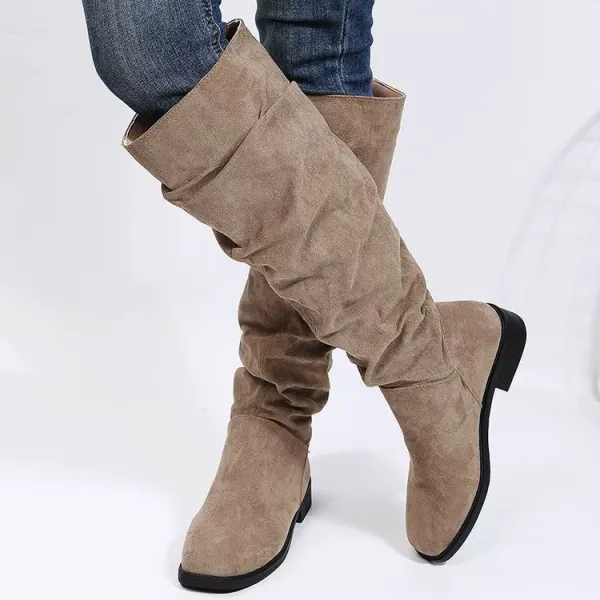
For a wide selection of wholesale shoes to manage in your inventory, explore the extensive collection available through reputable suppliers. Whether you're looking for popular categories like wholesale boots and wholesale house slippers, or specialized options, having a well-managed inventory can significantly impact your business success.
By combining strategic planning, technology adoption, and supplier collaboration, you can build a robust inventory management system that supports your wholesale shoe business's growth and profitability in the competitive e-commerce landscape.


Comments
Post a Comment