Navigating Quality Control and Safety Standards in Wholesale Beauty Products
1. The Critical Imperative of Quality Control in Beauty Sourcing
The global beauty, cosmetics, skincare, and personal care industry operates under some of the most rigorous consumer scrutiny and regulatory frameworks in modern commerce. Because beauty commodities—ranging from color cosmetics and topical skincare to wearable fragrances, wigs, and hair extensions—interact directly with the human skin, hair, and body, maintaining uncompromising quality control (QC) and adhering to strict international safety standards is not merely a legal obligation; it is the absolute bedrock of brand survival. For boutique founders, e-commerce pioneers, salon operators, and scaling retail executives, navigating the complex landscape of quality assurance can mean the difference between a thriving, trusted enterprise and catastrophic financial ruin resulting from product recalls, regulatory fines, or consumer injury.
In the fast-paced world of global B2B procurement, the temptation to prioritize low unit costs and rapid manufacturing speed over rigorous testing can be high. However, importing or purchasing substandard merchandise can destroy consumer trust instantly. Sourcing unreliable formulations, failing to verify heavy metal thresholds, or neglecting container seal integrity can lead to skin irritation, allergic reactions, border seizures, and permanent brand defamation. Conversely, establishing a bulletproof quality control framework ensures that every item in your inventory—from everyday makeup staples to specialized hair goods—meets the highest standards of safety, efficacy, and legal compliance.
This comprehensive guide serves as your definitive strategic manual for mastering quality control and safety standards across the wholesale beauty sector. By exploring the regulatory benchmarks, supplier auditing protocols, testing methodologies, and category-specific safety requirements detailed in this manual, you will be fully equipped to safeguard your supply chain, protect your customers, and build a resilient, legally compliant global beauty empire.
2. The Regulatory Landscape: Global Compliance and Safety Frameworks
Navigating quality control begins with an in-depth understanding of the legislative frameworks governing the international trade of beauty products. Cosmetics, skincare formulations, topical treatments, and personal care items are subject to stringent regional legislation, such as the Modernization of Cosmetics Regulation Act (MoCRA) in the United States, the EU Cosmetics Regulation (EC) No 1223/2009, and equivalent national standards enforced by regulatory bodies worldwide.
Unlike general consumer merchandise, beauty products must comply with strict ingredient disclosure laws, prohibited substance lists (such as the EU Annex database of banned preservatives and heavy metals), and mandatory toxicological risk assessments. Importers and brand owners act as legally responsible entities, meaning that ignorance of a formulation flaw or safety violation does not exempt your business from liability. Ensuring full compliance requires collecting, reviewing, and archiving Safety Data Sheets (SDS), comprehensive Certificate of Analysis (CoA) reports, and Good Manufacturing Practice (GMP) certifications for every batch of
Furthermore, accurate product labeling is non-negotiable. Imported and wholesale goods must feature clear, indelible labeling that includes product function statements, net weight or volume declarations, full ingredient disclosures using International Nomenclature of Cosmetic Ingredients (INCI) formatting, batch identification codes, country of origin, and explicit manufacturer or importer contact details. Failure to meet these legal mandates frequently results in costly re-labeling fees, customs holds, or mandatory destruction of shipments at the port of entry.
3. Establishing a Rigorous Supplier Auditing and Vetting Protocol
The first and most effective line of defense against substandard merchandise is a rigorous, multi-step supplier auditing protocol. In the international wholesale marketplace, buyers frequently encounter trading companies, intermediaries, and brokers posing as direct manufacturers. To protect your capital and brand reputation, importers must execute a structured verification audit before signing contracts or transferring funds.
The 4-Pillar Supplier Verification Framework
Corporate and Legal Status Verification: Cross-reference the supplier's official business registration license with governmental commercial registries to confirm their legal operating scope, registered capital, and corporate history.
Factory and Facility Third-Party Inspection: Demand independent on-site audits (utilizing certified inspection agencies like SGS, Bureau Veritas, or Intertek) to inspect manufacturing floor hygiene, equipment modernity, cleanroom standards, and labor safety practices.
Physical Sample Stress-Testing: Never place a bulk order without first receiving and thoroughly testing physical pre-production samples. Evaluate color payoff, scent longevity, wig cap construction, hair fiber texture retention, and container seal integrity.
Ethical Labor and Environmental Compliance: Ensure that manufacturing partners enforce strict ethical labor policies—prohibiting forced labor, child labor, and unsafe working conditions—while adhering to local environmental waste management and effluent discharge laws.
4. Quality Control in Color Cosmetics, Lip Products, and Packaging
Establishing a high-performance retail collection requires meticulous attention to the physical and chemical properties of color cosmetics, lip formulations, and presentation containers. Because makeup is applied directly to sensitive facial skin and mucosal membranes, microbiological purity and heavy metal testing are paramount.
When sourcing everyday makeup collections, buyers must verify that active formulations are free from microbial contamination (such as Pseudomonas aeruginosa and Staphylococcus aureus) and adhere to strict heavy metal thresholds for lead, arsenic, cadmium, and mercury. For trend-focused categories like vibrant, high-shine lip formulations, ensuring non-sticky textures, stable pigment suspension, and long-wearing performance is vital. Stocking high-grade
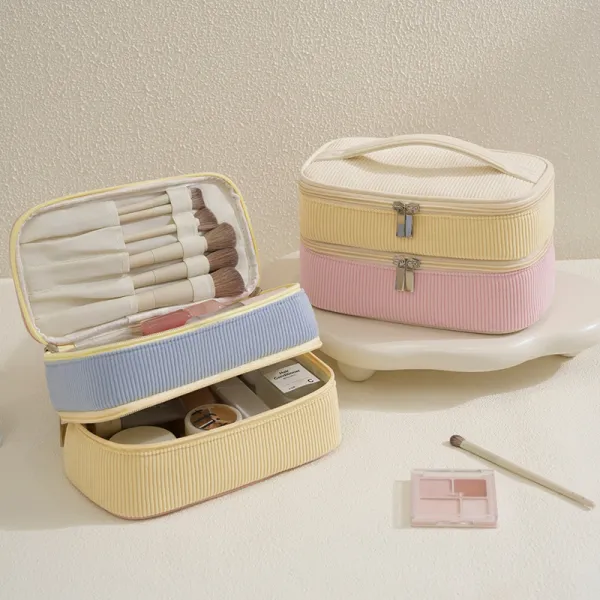
Equally important is the integrity of product packaging and presentation. Container quality dictates both shelf appeal and formula preservation. Sourcing reliable
5. Navigating Safety Standards for Fragrances, Scent Oils, and Portable Formats
Fragrance is an intimate, emotionally resonant category characterized by fierce brand loyalty and high perceived value. However, importing perfumes, colognes, and concentrated scent compounds introduces distinct logistical and regulatory complexities. Because alcohol-based fragrances are classified as hazardous materials (HazMat) due to their high flammability, international shipping requires specialized packaging, certified UN-rated containers, and strict adherence to modal transport restrictions.
From a quality control perspective, fragrances must undergo rigorous stability and patch-testing to ensure that aromatic compounds do not degrade when exposed to varying temperatures or light conditions, and that allergen declarations (such as the 26 specific fragrance allergens mandated by EU regulations) are accurately listed on packaging. Modern consumers increasingly favor travel-friendly, accessible formats, making curated
To achieve complete demographic market coverage, your fragrance quality assurance protocols must address distinct lifestyle preferences across product types. Stocking dedicated lines of
6. Quality Assurance in Hair Care, Wigs, Extensions, and Salon Tools
The global hair care, extension, and wig market represents a multi-billion-dollar sector characterized by high customer retention and specialized manufacturing requirements. Sourcing hair goods requires rigorous quality assurance protocols to prevent issues such as tangling, excessive shedding, improper cuticle alignment, chemical treatment damage, and synthetic fiber melting during heat styling.
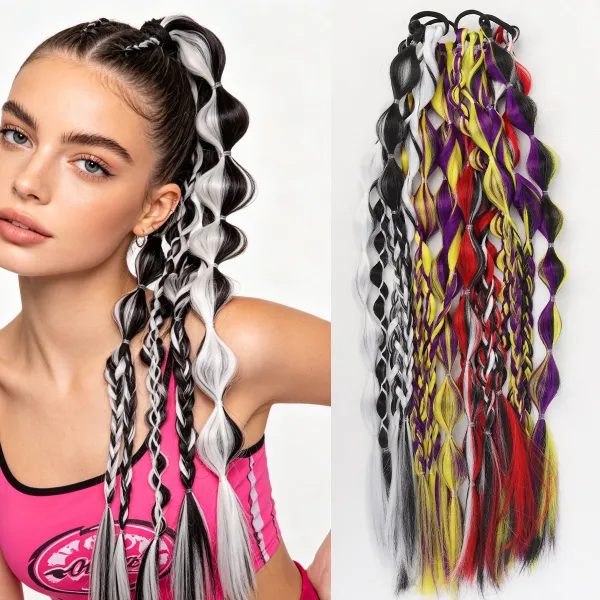
When importing ready-to-wear hair solutions, partnering with verified manufacturers for
For customers seeking permanent or semi-permanent length and volume, hair extensions remain a staple investment. Establishing direct import channels for
7. Operational Logistics, Customs Clearance, and Risk Mitigation
Once manufacturing is complete and compliance documentation is verified, managing physical logistics, customs clearance, and cold-chain or temperature-controlled storage determines whether your products arrive on schedule and in pristine condition. Importers must master international shipping terms (Incoterms) and work with licensed customs brokers to classify goods using correct Harmonized System (HS) codes.
To mitigate supply chain risks, retailers should adopt a phased inventory strategy. Start with small-batch spot wholesale orders to test market response and verify supplier quality consistency before committing capital to massive seasonal production runs. Maintain comprehensive quality control logs, track batch numbers for complete traceability, and establish clear return and quarantine protocols for any merchandise that fails internal inspection standards.
8. Building a Resilient, Quality-First Beauty Enterprise
Navigating quality control and safety standards in the wholesale beauty industry is a continuous, disciplined journey that demands uncompromised operational rigor. By implementing rigorous supplier vetting protocols, enforcing strict international regulatory compliance, conducting thorough physical sample testing, and maintaining meticulous traceability across cosmetics, fragrances, hair extensions, and salon tools, independent retailers and scaling brands can eliminate supply chain vulnerabilities.
Embrace proactive quality assurance as your ultimate competitive advantage, prioritize consumer safety above all else, and position your brand for sustainable, long-term growth in the global beauty marketplace. With the right quality control framework in place, your vision of building a trusted, thriving beauty empire is entirely within your reach.


Comments
Post a Comment